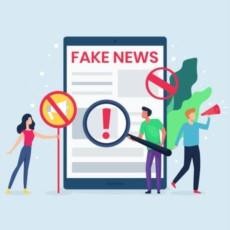
People losing trust in social media as disinformation spreads
The trust gap between legacy media and social media is growing, as disinformation, fake news, and a lack of regulation knocks people’s confidence in creator-led content, research finds.

The trust gap between legacy media and social media is growing, as disinformation, fake news, and a lack of regulation knocks people’s confidence in creator-led content, research finds.

Ad fatigue, competition, and platform changes are making it more difficult to sustain performance.
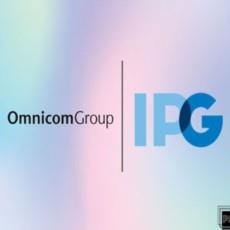
If you’re an advertiser wondering how the Omnicom-IPG deal could disrupt the media landscape—and possibly your own media planning and buying efforts–you’re not alone.

The connected TV (CTV) advertising industry has made great strides in targeting, automation and measurement, but it still lags behind social platforms in one critical area: optimizing campaigns based on outcome data.
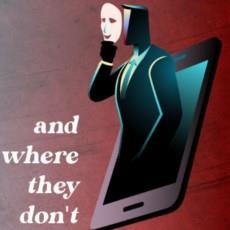
Today we focus on one public institution that the public remains widely sceptical of: the media.

Despite increasing regulatory volatility – as regulators and governments’ appetites for intervening in the online economy grow – digital advertising remains strong but headwinds are growing.

While studios and streaming providers are busy competing with each other, tougher competition is coming from social video platforms that are hyperscale and hyper-capitalized.
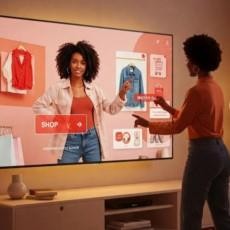
New findings by Omdia reveal online consumer spending is set to outpace the expansion of the media and entertainment sector
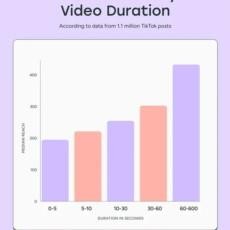
So by “longer short†videos, we’re not talking about a shift back to long-form content of 5 minutes or more. Consumers are now more willing to engage with 3-minute-long videos.

According to the firm, the platform can cut launch time for media campaigns by 65%, by automating such tasks as media research and content strategy.